All Categories
Featured
Table of Contents
As grocery store pickup demand grows, retailers must invest in specialized training for personnel associated with pickup operations. Staff members should be well-versed in order satisfaction procedures and customer support best practices. Training programs should focus on establishing abilities such as efficient order picking, accurate order assembly, and efficient consumer interaction.
By equipping personnel with the understanding and abilities necessary to provide exceptional service, shops can guarantee a smooth and satisfactory curbside grocery pickup experience. As need for curbside grocery order pickup services continues to surge, customer-centric scheduling systems are essential for handling need and guaranteeing a smooth consumer experience. Enabling clients to choose their favored pickup times allows them to prepare pickups around their schedules, leading to increased satisfaction and commitment.
Furthermore, carrying out flexible scheduling policies, such as permitting consumers to modify or cancel their pickup times within an affordable time frame, can enhance the client experience. An efficient workflow is necessary for managing increased grocery order pickup volumes. Supermarket should evaluate their current procedures and identify areas for enhancement, including: Upgrading the store layout to produce dedicated pickup locations.
Implementing one-way aisles to reduce congestion. Carrying out mobile innovation, such as hand-held devices or wearables, can assist staff quickly find items, update inventory in genuine time, and interact with colleagues. As need for pickup services grows, grocery shops should embrace advanced strategies and systems for real-time inventory tracking and forecasting.
Proven Practices to Synchronizing Digital Inventory DatabasesArtificial intelligence algorithms can evaluate historical sales data, seasonal patterns, and customer habits to anticipate future demand and enhance stock levels. Incorporating these innovations with existing order management systems permits grocery stores to proactively resolve potential stockouts and improve order precision. Supermarket need to optimize their order satisfaction techniques to stay up to date with the growing need for curbside pickup.
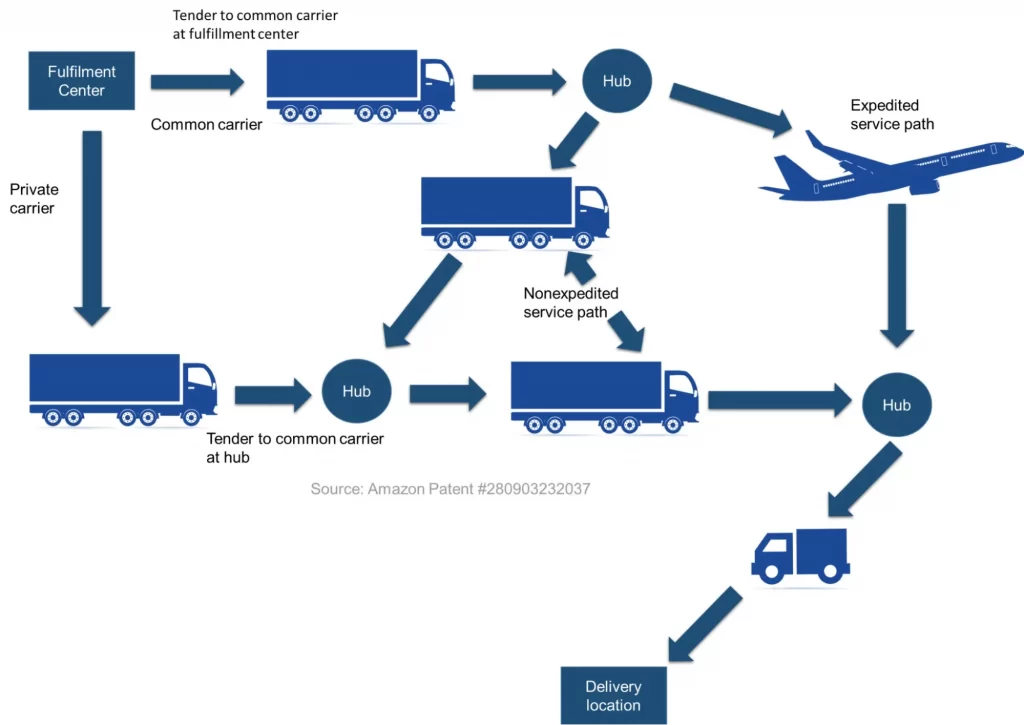
Unlocking Primary Benefits of Multi-Channel Distribution Systems
Consider these handy techniques: An extensive system can assist automate order allocation, picking, and packaging processes. Simultaneously choosing multiple orders improves performance. Using barcode scanning innovation can decrease errors and speed up order confirmation. Designating particular locations for order staging and implementing transparent labeling systems can help personnel quickly locate and fill orders into customer automobiles.
Analyzing historic sales data, seasonal variations, and consumer behavior allows retailers to discover grocery pickup demand trends and plan for them. Advanced analytics tools can determine patterns and correlations that might not be right away obvious, such as the impact of weather condition on product preferences or the relationship between marketing activities and pickup volumes.
Predictive analytics can also guide staffing choices, guaranteeing sufficient workers are readily available during peak pickup hours. With information analytics, grocery retailers can proactively enhance the performance of curbside pickup services. Sellers must actively look for and incorporate client feedback to stay ahead in the rapidly evolving grocery pickup landscape. Regularly collecting insights through studies, online evaluations, and direct consumer interactions can help determine locations for improvement and guide future service improvements.
A proactive client service method is also essential for addressing problems without delay and turning negative experiences into positive ones. By embracing continuous improvement driven by customer feedback, retailers can stay agile and adapt to the ever-changing demands of the curbside grocery pickup market. Here are responses to some of the most typical concerns about maximizing grocery pickup: Covered parking structures provide necessary weather security for customers and workers during curbside pickup.
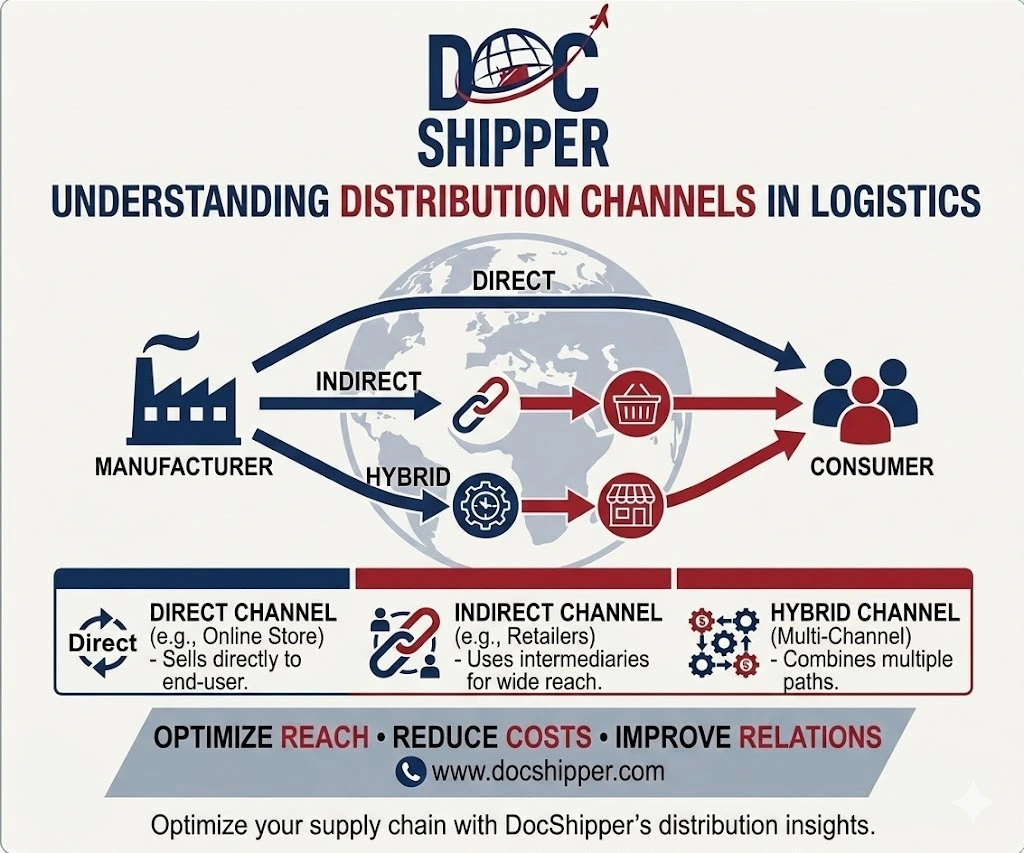
Unlocking Key Advantages of Integrated Sales Networks
Shade structures also assist specify devoted pickup zones and improve traffic flow, adding to increased client complete satisfaction and commitment. To efficiently manage inventory for curbside pickup, supermarket should purchase advanced stock management systems that supply real-time stock updates and seamless combination between online platforms and in-store inventory. Carrying out tools like RFID technology, automated replenishment systems, and data analytics can assist improve order fulfillment accuracy.
These ingenious structures use necessary weather protection, plainly specified filling zones, and enhanced branding opportunities. With adjustable choices and advantages like solar panel combination and waterproof materials, VPS can provide a customized solution for your shop.

Leading omnichannel sellers are improving the experience of purchasing online and getting in-store. Walmart, for instance, is explore a devoted drive-up and parking for online clients. Source: Walmart. The development of buying online and picking up in shop, in addition to in-store returns for online purchases, is driving customer shopping expectations.
Why Inventory Management Tools Boost Sales
What follows are key elements in implementing BOPIS purchase online, pick up in-store. It starts with awareness. Finest Buy sensibly does not wait until the product information page to promote BOPIS. By incorporating its offering early in the browse experience, Best Buy catches customers in the factor to consider phase, presenting an engaging alternative to the benefit of Amazon Prime.

Latest Posts
WMS Prepared to Manage Complex Demand Spikes?
Utilizing Local Pickup to Enhance Retail Traffic
Transforming Retail Logistics within Integrated Models